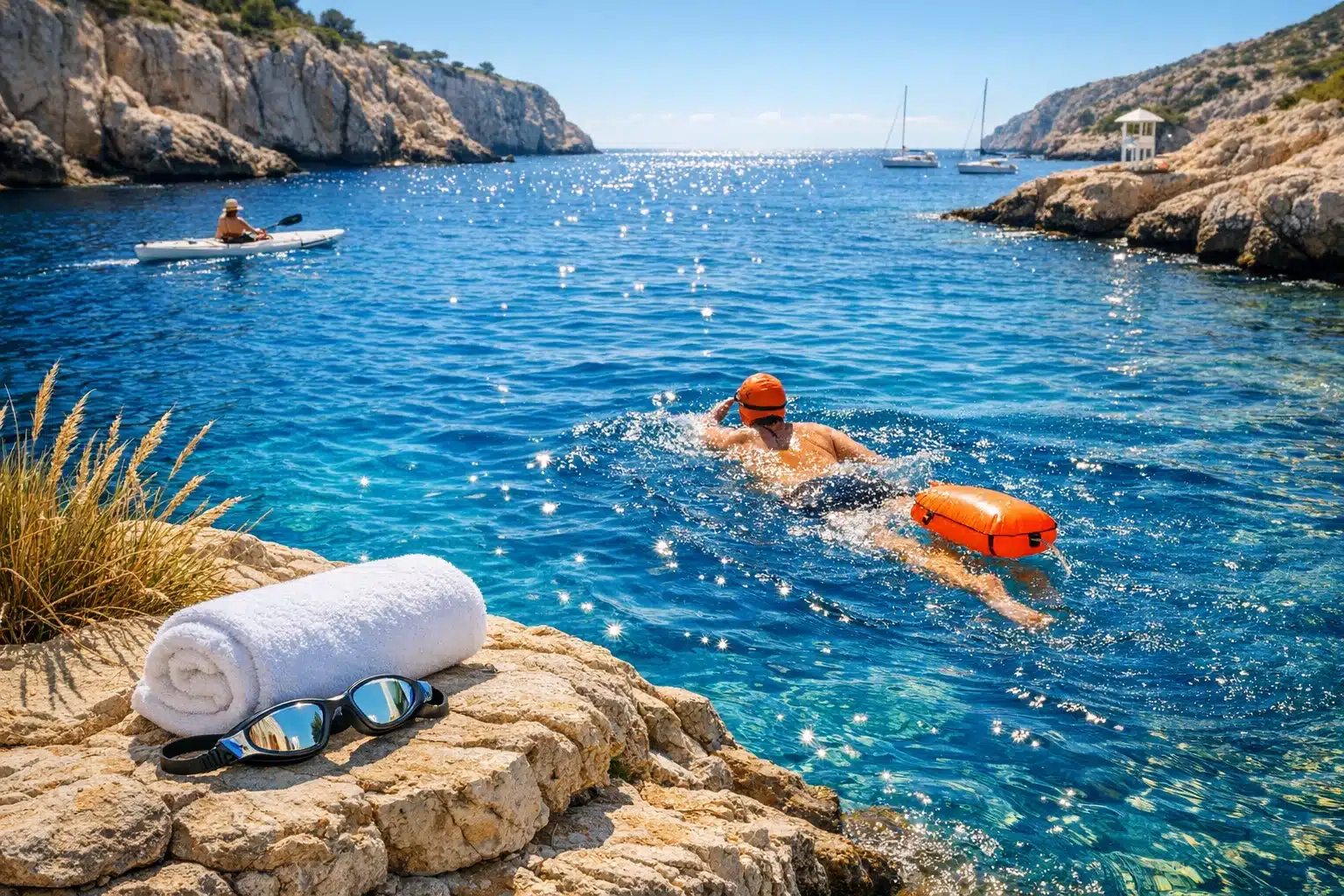
Explore the world of swimming
Swimming sits at a rare crossroads where sport, survival, therapy, and simple joy meet in the same body of water. A quiet lane in a pool can challenge the lungs like a track session, while a relaxed dip can calm a crowded mind after a long day. Because it builds skill as well as fitness, swimming matters to children learning confidence, adults protecting health, and older people seeking movement with less impact. This article maps the subject from technique and training to safety, equipment, and lifelong value.
Outline:
1. Why swimming remains relevant as exercise, life skill, and recreation.
2. How the main strokes differ in rhythm, efficiency, and difficulty.
3. What effective learning and training look like for beginners and improving swimmers.
4. Which environments, tools, and safety habits deserve careful attention.
5. How different readers can build a sustainable, rewarding relationship with the water.
Why Swimming Matters: Fitness, Skill, and Lifelong Relevance
Swimming holds a special place among physical activities because it combines practical safety with broad health benefits. Many sports improve endurance or strength, but few also teach a skill that can reduce panic around water and expand access to beaches, lakes, rivers, and pools. That dual value makes swimming unusually relevant across age groups. A child who learns to float and breathe calmly is not only becoming active; that child is also gaining a life skill. An adult returning to exercise after years away from training may find that water offers a gentler entry point than running or court sports. Older adults often appreciate the reduced joint stress that comes from buoyancy, especially when hips, knees, or lower backs no longer enjoy repeated impact.
The physical benefits are substantial. Water is far denser than air, so every stroke asks the body to push against consistent resistance. That means even steady, non-sprinting laps can train the heart, lungs, shoulders, back, core, and legs at the same time. Unlike some gym routines that isolate one area per session, swimming asks the body to coordinate itself as a whole. It can support cardiovascular fitness, muscular endurance, mobility, and posture awareness, especially when technique improves over time. Public health guidance for adults commonly recommends at least 150 minutes of moderate aerobic activity each week, and swimming can contribute meaningfully to that target.
The mental side deserves equal attention. Water changes sound, weight, and rhythm. The face dips in, the breath turns deliberate, and outside noise fades into a low mechanical hush. For many people, that environment feels meditative without becoming passive. Lap after lap, concentration narrows to timing, reach, kick, and exhale. Stress does not disappear like magic, yet the body often leaves the pool looser, quieter, and less cluttered by the day’s friction.
Swimming also scales well. It can be playful, therapeutic, social, or fiercely competitive. A casual swimmer might spend twenty minutes doing easy lengths, while a trained athlete measures splits, stroke counts, and interval times with careful precision. In the same building, one lane may hold a senior water-exercise group, another a child’s lesson, and another a master’s swimmer chasing a personal best. Few activities serve that many purposes so naturally. That flexibility is one reason swimming remains relevant not just for a season, but for a lifetime.
Understanding the Main Strokes and the Art of Efficient Movement
To an inexperienced eye, swimming can look simple: arms move, legs kick, body travels forward. In reality, each stroke has its own logic, tempo, and technical demands. Freestyle, usually called front crawl, is the fastest and most commonly used stroke for fitness and racing. It rewards streamlined body position, a steady flutter kick, and efficient side breathing. When done well, freestyle looks almost economical, as if the swimmer is slipping through a narrow hallway in the water. When done poorly, it becomes a noisy struggle of lifted heads, sinking hips, and wasted effort.
Backstroke reverses the orientation but keeps a related rhythm. Because the face remains out of the water, breathing is easier for many beginners, though maintaining direction can be tricky without lane flags or ceiling references. It can feel more open and less claustrophobic than freestyle, and some swimmers find it kinder to the neck because the head stays still. Breaststroke is slower and more symmetrical. Its whip kick and sweeping arm motion create a stop-and-glide pattern that many recreational swimmers enjoy, yet proper timing is more technical than it appears. Butterfly, by contrast, is powerful and demanding. The stroke asks for coordinated body undulation, strong shoulders, and disciplined timing. Watching a skilled butterfly swimmer can feel like seeing a machine built from rhythm and willpower.
Comparisons between strokes help explain their appeal:
• Freestyle is usually the fastest and most efficient for longer continuous swimming.
• Backstroke offers easier breathing but requires good body alignment to stay straight.
• Breaststroke is approachable for many learners, though the kick is often taught incorrectly.
• Butterfly develops power and coordination, yet it is rarely the first stroke people master.
Technique matters because drag punishes small errors. Lifting the head too high can drop the hips. Crossing the hands over the midline can throw off balance. Kicking wildly may create splash without real propulsion. In water, force alone is rarely enough; shape matters almost as much as strength. That is why experienced coaches spend so much time on basics such as streamlining, rotation, catch position, and relaxed recovery. The goal is not to look elegant for its own sake. The goal is to move farther with less wasted energy.
Beginners often improve quickly when they focus on a few simple cues:
• Keep the head neutral rather than craning forward.
• Exhale steadily into the water instead of holding the breath.
• Reach forward without collapsing the shoulder.
• Let the body roll as a connected unit.
Once those ideas begin to settle, swimming becomes less like fighting water and more like negotiating with it. The difference is enormous. Effort remains, but efficiency starts to replace panic, and the lane suddenly feels longer in possibility than in distance.
Learning to Swim and Training Well: From First Lesson to Structured Progress
Learning to swim is not a single leap from fear to fluency; it is a sequence of manageable steps. Most beginners start with comfort, not speed. Before formal strokes matter, the swimmer has to trust buoyancy, understand breath control, and feel what balanced floating is like. Good instruction often begins with submerging the face, blowing bubbles, gliding off the wall, and practicing front and back floats. Those drills may look simple from the deck, but they build the foundation for nearly everything that follows. A person who can exhale calmly underwater and recover balance after a push-off has already solved two of the most common barriers to progress.
After water confidence comes coordination. Swimmers learn how kicks support body position, how arms create propulsion, and how breathing must fit the stroke rather than interrupt it. This is where many people discover that improvement is not just about trying harder. A relaxed exhale can matter more than a frantic kick. A better catch can matter more than stronger shoulders. Progress tends to come in layers: first comfort, then control, then rhythm, then endurance. Each layer supports the next.
Structured training becomes useful once the basics are steady. Instead of swimming aimlessly until tired, a purposeful session divides work into parts. A simple example might look like this:
• Warm-up: easy laps to loosen joints and settle breathing.
• Drill set: focused repeats on kicking, body roll, or catch mechanics.
• Main set: timed or counted repeats at a chosen effort.
• Cool-down: relaxed swimming to lower intensity and reinforce form.
This approach helps both beginners and experienced swimmers because it gives practice a clear reason. Someone training for general fitness may use short repeats with moderate rest, while a competitive swimmer might track pace, stroke count, and interval discipline more closely. Improvement can be measured in many ways: lower heart strain at the same distance, smoother breathing, faster times, fewer strokes per length, or simply the ability to finish a session feeling composed rather than overwhelmed.
Consistency matters more than heroic effort. Two or three sessions each week can produce meaningful gains when technique receives attention. Dryland support can help as well, especially for shoulder stability, core strength, and mobility. Recovery is part of training, not the opposite of it. Sore shoulders, chronic fatigue, or worsening form often signal that rest, easier sessions, or coaching feedback is needed. For busy adults, children in lessons, returning athletes, or older swimmers building confidence, the smartest plan is rarely the hardest one. It is the one that can be repeated, adjusted, and enjoyed long enough to become a durable habit.
Pools, Open Water, Equipment, and Safety: Choosing the Right Setting
Where you swim shapes how you swim. A pool offers structure, predictability, and measurable progress. Distances are known, lane lines help with direction, and lifeguards are often present. That controlled environment makes pools ideal for learning technique, building fitness, and following planned workouts. Standard competitive pools are typically 25 meters, 25 yards, or 50 meters long, which makes pace tracking straightforward. Open water, by contrast, replaces lane ropes with currents, chop, changing temperatures, and limited visibility. A lake or sea swim can feel expansive and thrilling, yet it demands stronger judgment because conditions can shift quickly.
Equipment choices should match purpose rather than fashion. A well-fitted swimsuit that allows free movement is essential. Goggles improve comfort and visibility, especially in chlorinated pools or bright outdoor settings. Caps reduce drag slightly, help keep hair managed, and can improve visibility in open water when brightly colored. Training aids also have a place when used thoughtfully. Fins can reinforce body position and ankle flexibility. Kickboards isolate lower-body work. Pull buoys reduce leg involvement so the swimmer can focus on the upper body. None of these tools replaces sound technique, but each can highlight a specific part of it.
Safety deserves the most practical voice in the article because water is indifferent to confidence. Useful habits include:
• Never overestimate your ability in unfamiliar water.
• Avoid swimming alone in open water whenever possible.
• Check weather, temperature, visibility, and local rules before entering natural water.
• Use a bright cap or tow float in open settings so others can see you.
• Enter cold water gradually and respect how quickly it can affect breathing and coordination.
• Follow pool etiquette, including lane direction and spacing, to reduce collisions.
There are also less dramatic safety details that matter. Pool decks are slippery. Fatigue can disguise itself as determination. Ear discomfort, goggle leaks, or poor hygiene practices can turn a good routine into an unpleasant one. Showering before entering the pool supports water quality. Listening to lifeguards and posted rules is not a formality; it is part of using a shared space responsibly.
The comparison between pool swimming and open water is not about deciding which is superior. It is about understanding demands. Pools sharpen precision. Open water builds adaptability. One feels like a metronome, the other like a conversation with weather and terrain. Many swimmers enjoy both once they know what each setting asks of them.
A Practical Conclusion for New and Returning Swimmers
If you are the kind of reader who wants a clear takeaway rather than a dramatic finish, here it is: swimming rewards patience more than bravado. You do not need to begin with perfect technique, expensive gear, or competitive ambition. You need a safe place to practice, a willingness to learn the basics well, and enough consistency to let small gains accumulate. For nervous beginners, the first goal might simply be comfort with submerging the face and exhaling underwater. For adults seeking fitness, the aim might be two sessions a week and gradually longer continuous swims. For former athletes, the attraction may lie in rebuilding endurance without the pounding that comes with road miles. For older readers, water may offer a rare mix of effort and relief.
The best entry point depends on your needs:
• If safety is the priority, seek qualified lessons and focus first on floating, breathing, and basic propulsion.
• If exercise is the goal, start with manageable sessions instead of chasing distance on day one.
• If competition interests you, build technique early so speed grows from efficiency rather than struggle.
• If enjoyment has been missing from your routine, give yourself permission to play, explore, and learn without hurry.
Swimming can meet people where they are. Children often discover confidence. Busy professionals find a structured escape from screens and noise. Triathletes use the pool to sharpen discipline and pacing. Recreational swimmers enjoy the simple pleasure of movement that feels lighter than gravity usually allows. Even those who once disliked water can change their relationship with it through good coaching and calm repetition. Progress is not always visible from one session to the next, but over months it becomes unmistakable: breathing settles, movements smooth out, distances grow, and anxiety shrinks.
That is the lasting appeal of swimming. It is demanding without being flashy, technical without being inaccessible, and useful far beyond the walls of a sports center. Some days the water feels like resistance training, some days like therapy, and some days like a brief reset button for the mind. For readers deciding whether it is worth their time, the answer is practical rather than romantic. If you want a skill that can protect, challenge, strengthen, and refresh you across many stages of life, swimming is a remarkably sensible place to begin.