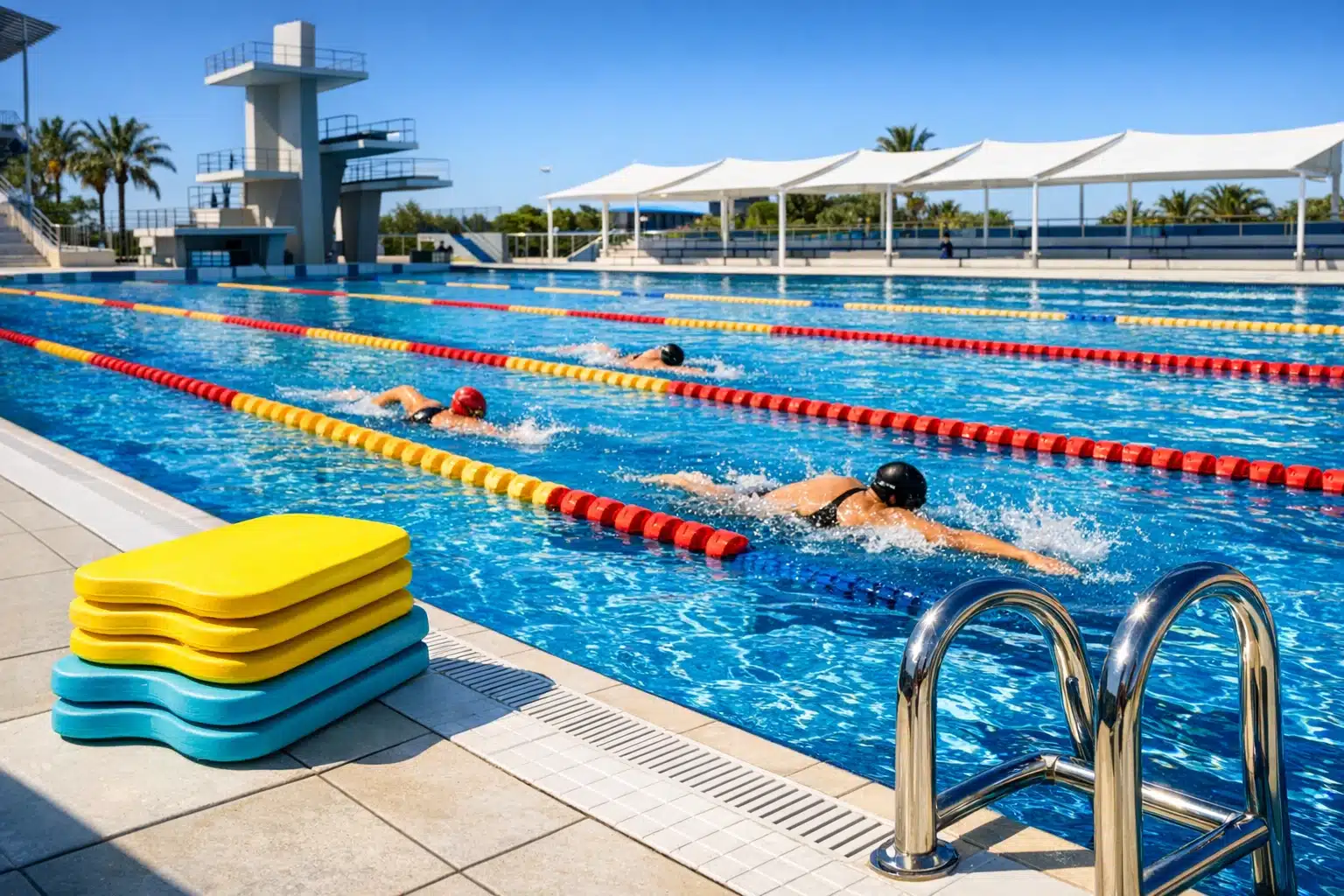
Explore the world of swimming
Swimming is one of those rare activities that feels playful enough for a child and demanding enough for an Olympian. It builds endurance, tests technique, and offers a way to move that is kinder to many joints than land-based exercise. From crowded public pools to open lakes at dawn, it connects sport, safety, and sheer enjoyment in a single skill. This article explores how swimming works, why it matters, and how beginners and experienced swimmers can get more from every session.
Outline
• Why swimming matters in daily life and sport
• The physical and mental benefits of regular time in the water
• The main strokes and the technical details that shape efficiency
• Training habits, equipment choices, and essential safety practices
• Competitive swimming, community culture, and why the sport lasts a lifetime
Why Swimming Matters: More Than a Sport
Swimming has a special place among physical activities because it sits at the intersection of health, recreation, safety, and performance. For some people, it begins as a practical life skill taught in childhood. For others, it becomes a structured sport measured in splits, turns, and disciplined early mornings. In both cases, its value goes far beyond the pool wall. Being able to swim can increase personal safety around water, open the door to other activities such as surfing, kayaking, snorkeling, and triathlon, and provide a form of movement that remains accessible across different ages.
One reason swimming stands out is that water changes the rules of motion. Because water is far denser than air, every kick, pull, and body adjustment meets resistance. That resistance can make even a short session feel demanding, yet buoyancy also supports part of the body’s weight. This unusual combination is what makes swimming feel both forgiving and challenging. A runner pounds against the ground, a cyclist relies on mechanical advantage, but a swimmer must negotiate drag with every inch forward. The water does not care about effort alone; it rewards efficiency, timing, and rhythm.
Swimming also has a long cultural and historical reach. Humans have swum for survival, transport, military training, and leisure for thousands of years. Today, it appears in schools, public health campaigns, summer holidays, and elite international competition. It is one of the central events of the Olympic Games, yet it is equally at home in community pools where retirees share lanes with teenagers and beginners take their first cautious breaths. Few sports are so democratic in that sense.
Its relevance has grown for modern lifestyles as well. Many people spend long hours sitting, and swimming offers a full-body activity that can counterbalance that routine. It challenges the heart and lungs, engages major muscle groups, and often feels mentally refreshing because of the sensory shift of being immersed in water. The muffled sound, the repeated strokes, and the focus on breathing can turn a workout into something almost meditative.
Several factors explain why swimming remains widely recommended:
• it is both a safety skill and a fitness activity
• it can be adapted for leisure, therapy, training, or competition
• it suits a broad range of ages and ability levels
• it develops technical awareness as much as physical strength
That blend of practicality and depth is what gives swimming lasting importance. It is not merely about moving from one end of the pool to the other. It is about learning how the body behaves in water, how patience improves performance, and how confidence develops one breath at a time.
The Benefits of Swimming for Body and Mind
The benefits of swimming are often described in broad terms, but the details are what make the case convincing. Physically, swimming is a full-body activity that recruits the shoulders, chest, back, core, hips, and legs in coordinated patterns. Unlike exercises that isolate a small number of muscle groups, swimming demands that the whole body work together. Front crawl depends on rotational control and propulsion from the upper body and kick. Breaststroke requires timing and mobility. Butterfly exposes weaknesses in rhythm and trunk strength almost immediately. Even gentle backstroke asks for posture and coordination.
Cardiovascular conditioning is one of swimming’s clearest strengths. Sustained lap swimming raises heart rate and challenges the lungs, especially when rest intervals are short. Depending on body size, pace, and stroke choice, a vigorous hour of swimming can burn several hundred calories, often landing in a range similar to many popular gym workouts. More importantly, it can improve aerobic capacity over time. For people who want endurance training but struggle with repetitive impact from running, swimming can be a valuable alternative.
Another major advantage is its low-impact nature. Water supports the body, which reduces the stress placed on joints compared with many land-based activities. That does not mean swimming is effortless or risk-free; poor technique can still irritate shoulders, neck, or knees. Yet for many people recovering from injury, managing excess body weight, or seeking exercise later in life, the pool offers a more comfortable way to stay active. This is one reason swimming is commonly included in rehabilitation programs and beginner fitness plans.
The mental side matters just as much. Swimming requires controlled breathing, repeated movement, and close attention to body position. That combination can help people feel calmer and more focused. Many swimmers describe a session as a reset button for the day. The lane line becomes a boundary against distraction, and the rhythm of inhale, exhale, reach, and glide can quiet mental noise. There is also a strong confidence-building element: each new distance completed, each smoother turn, each less frantic breath creates visible progress.
Swimming compares well with other forms of exercise, though each has strengths:
• compared with running, it typically places less impact on knees and ankles
• compared with lifting weights, it offers more continuous cardiovascular demand
• compared with cycling, it develops breath control in a more direct way
• compared with walking, it usually requires greater total-body coordination
For families, swimmers, and casual exercisers alike, the broad appeal is clear. Swimming can help a child gain water confidence, give an office worker a structured fitness routine, and offer an older adult a sustainable form of movement. It is one of the few activities that can be gentle at one pace and fiercely demanding at another, which is why it serves such a wide audience so well.
Understanding the Main Strokes and the Art of Technique
Swimming looks simple from the deck until you get in the water and try to move efficiently. Technique is the invisible engine of the sport. Two swimmers can have similar strength and fitness, yet the one with better alignment, timing, and breath control often travels faster with less effort. This is why coaches spend so much time refining small details. A dropped elbow, a rushed breath, or a poorly timed kick can waste energy every single stroke.
The four competitive strokes each have distinct mechanics and personalities. Front crawl, often called freestyle in racing, is usually the fastest and most widely practiced. It relies on a streamlined body position, alternating arm recovery, and a flutter kick. Good front crawl is not just about churning the arms; it is about rotating through the hips and torso, keeping the head stable, and breathing without lifting too high. When done well, it feels like slicing through the water rather than fighting it.
Backstroke turns the body upward and changes orientation, but the same principle of long, efficient movement remains. It can feel more relaxed for some swimmers because breathing is unrestricted, yet it introduces other challenges, especially staying straight and maintaining consistent rotation. Breaststroke is slower but technically rich. The pull, breath, kick, and glide must happen in sequence. A mistimed kick can stall momentum completely. Butterfly is the most dramatic stroke, famous for its wave-like motion and heavy energy demand. It punishes tension and rewards timing; brute force alone rarely carries a swimmer very far.
Beyond the named strokes, several universal technical ideas matter:
• body position should stay as horizontal and streamlined as possible
• exhaling into the water helps make breathing quicker and calmer
• propulsion comes from effective catches and well-timed kicks, not frantic splashing
• relaxation is a performance skill, not a luxury
Beginners often assume speed comes first, but efficiency should come earlier in the learning process. A swimmer who glides well, breathes cleanly, and keeps drag low will progress faster than one who simply tries harder. Drills are useful here because they isolate small pieces of the stroke. Catch-up drill can improve front crawl timing. Kick sets can strengthen leg endurance and reveal body-position flaws. Single-arm work can help swimmers notice imbalance between sides.
Technique also changes with purpose. Open-water swimmers may shorten their stroke slightly to handle waves or sighting. Sprinters use more aggressive tempos than distance swimmers. Recreational swimmers may prioritize comfort and sustainability over raw speed. That flexibility is part of swimming’s appeal. There is no single perfect stroke for everyone, but there are sound principles that help nearly everyone move better in the water.
Training, Equipment, and Water Safety Essentials
A good swimming routine balances structure with realism. Many new swimmers believe every session must be long to be useful, but consistency matters more than heroic single efforts. Three focused swims a week can build skill and endurance more effectively than occasional marathon sessions. Most workouts are built from familiar parts: a warm-up to loosen the body, drill work to sharpen technique, a main set for endurance or speed, and a cool-down to ease out of the effort. That simple framework gives purpose to each visit to the pool.
Training goals can vary widely. A beginner may aim to swim continuously for ten or twenty minutes without stopping. A fitness-focused swimmer may alternate moderate and harder intervals. A competitive athlete might train pace control, turns, starts, or lactate tolerance. The water accepts all of these ambitions, but it also exposes impatience. If technique collapses during fatigue, the session often becomes less productive. Smart swimmers build volume gradually and protect form as much as possible.
Equipment plays a supporting role, not a magical one. The basics are straightforward: a comfortable swimsuit, well-fitting goggles, and sometimes a swim cap. Kickboards, pull buoys, fins, paddles, and snorkels can all be useful, but only when they serve a clear purpose. Fins can help body position and ankle flexibility. A pull buoy isolates upper-body work. Paddles increase resistance and can strengthen the catch, though they also increase load on the shoulders. In other words, gear should solve a problem, not disguise one.
Safety deserves equal emphasis because swimming happens in an environment that can become dangerous quickly. Even strong swimmers need respect for water conditions. Pool swimmers should know lane etiquette, depth changes, and facility rules. Open-water swimmers must consider currents, temperature, visibility, boat traffic, and weather. Cold water, in particular, can be far more serious than many people expect. A pretty lake can turn hostile when wind rises and body temperature drops.
Useful safety habits include:
• never overestimate your ability in unfamiliar water
• swim with a partner or where lifeguards are present when possible
• learn how to float, tread water, and rest without panic
• use bright caps or tow floats in open water for visibility
• stop if shoulder pain, dizziness, or breathing distress appears
There is a small ritual many swimmers know well: goggles pressed into place, one deep breath before pushing off, the brief silence under the surface. It feels ordinary after a while, but it rests on preparation. Training gets better when the body is ready, the plan is clear, and the environment is respected. In swimming, confidence is built not by ignoring risk, but by meeting it with skill and good judgment.
Swimming for Competition, Community, and Lifelong Enjoyment
Swimming can be intensely personal, but it is rarely isolated. Even a solo lane swimmer is part of a wider culture that includes coaches, club teammates, lifeguards, masters groups, school programs, parents waiting on bleachers, and early risers sharing deck space before work. This community dimension helps explain why so many people stay connected to swimming for years. The sport offers measurable progress, but it also offers belonging. A person might begin by learning basic water safety and end up joining open-water events, charity swims, or weekly masters practices.
Competitive swimming gives the sport one of its most visible forms. Meets are built on precision: hundredths of a second, legal turns, reaction times, pacing strategy. That structure teaches discipline and attention to detail. Young swimmers often learn time management, resilience, and how to respond to both success and disappointment. Improvement is rarely dramatic overnight. More often, it arrives in small victories: cleaner turns, stronger final laps, better stroke count, steadier breathing under pressure. Those gains may seem modest, but together they shape athletic maturity.
Not everyone wants a race schedule, and that is one of swimming’s strengths. It can remain meaningful without becoming ultra-competitive. Recreational swimmers may enjoy lap sessions for stress relief, social interaction, and maintenance of general fitness. Older adults often appreciate that swimming can stay in their lives after high-impact sports become less comfortable. Children gain confidence and coordination. Triathletes use it as one leg of a broader challenge. People recovering from long breaks in exercise often find the water welcoming in a way a loud gym may not be.
For readers considering swimming more seriously, a few practical starting points can help:
• take formal lessons if breathing or technique still feels uncertain
• begin with short, repeatable sessions instead of exhausting first attempts
• track simple progress markers such as distance, rest time, or stroke count
• try different environments, from pools to supervised open-water sessions
• focus on steady improvement rather than instant speed
What makes swimming special in the long run is its ability to change with the swimmer. At one stage, it may be a childhood milestone. Later, it can become a conditioning tool, a competitive outlet, or a private hour of calm before the day gets noisy. The target audience for this article, whether beginner, returning adult, fitness enthusiast, or curious parent, should remember one central point: progress in swimming is cumulative. Every lesson, every careful length, and every better breath adds up.
In conclusion, swimming is worth exploring not because it promises perfection, but because it offers lasting value. It teaches practical safety, builds fitness in a distinctive way, and rewards patience more reliably than shortcuts. If you start where you are, learn sound technique, and respect the water, swimming can become one of the most useful and enjoyable skills you carry through life.